

Key Highlights
- Reach a Wider Audience: Social media helps you connect with a broader range of potential patients beyond traditional methods.
- Build Meaningful Relationships: Use social platforms to foster connections based on trust and valuable healthcare information.
- Showcase Your Expertise: Establish your brand as a thought leader by sharing informative content and engaging in industry discussions.
- Boost Patient Engagement: Encourage interaction with your brand through compelling content, Q&A sessions, and community features.
- Drive Results: Effectively track key metrics like website traffic, patient leads, and brand sentiment to measure your social media ROI.
Introduction :social media campaign ideas for healthcare
In our digital world, having a strong online presence is very important. This is especially true in the healthcare industry. Social media marketing gives a great chance to connect with your target audience and attract new patients. It helps you build brand awareness and grow your practice. With smart social media marketing, you can show that your brand is a reliable source of health information. You can engage potential patients and reach your marketing goals easily.
Boost Your Online Health Brand with Strategic Social Media Marketing
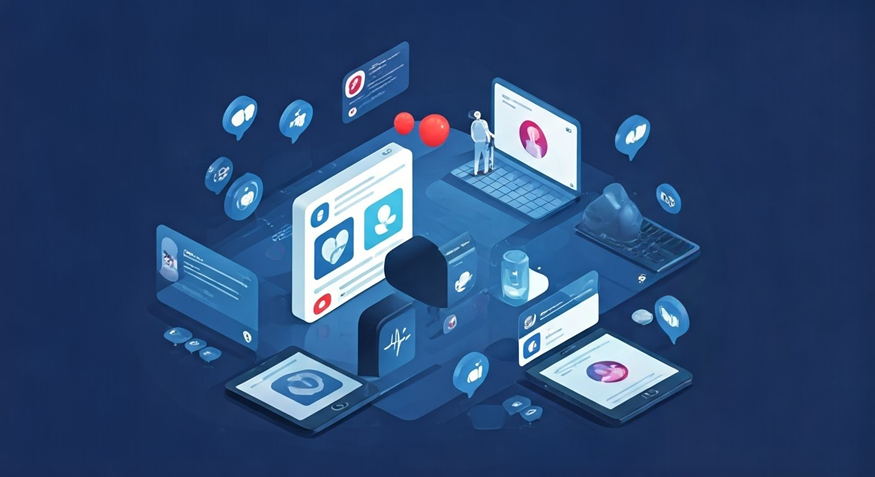
In today’s busy digital world, healthcare brands need a smart plan for social media to be noticed. It’s important to create content that fits each platform and to know what your target audience needs. Engaging with your followers in an active way is also key. When you focus on quality instead of quantity, you will see better patient engagement and real results.
Remember, social media is not just about sharing your message. It’s about having a back-and-forth talk. Replying quickly to comments and messages, joining in on industry talks, and building a strong community are important for making your social media presence more effective.
1. Developing a Compelling Content Strategy for Engagement
A good content strategy relies on knowing what your target audience wants. Are they after general health tips, information on certain health conditions, or maybe inspiring patient stories? When you understand their interests, you can make valuable and engaging content that connects with them.
Try using different formats. Create informative blog posts, eye-catching infographics, fun videos, and interactive quizzes to enhance your social media posts. By mixing up your content, you can appeal to different learning styles and keep your audience interested.
Also, it’s important to be consistent. By regularly sharing relevant content, you keep your brand fresh in the minds of your followers. Use a content calendar to plan and organize your posts in advance. This way, you can reach even more people and have a greater impact.
2. Leveraging Instagram to Showcase Visual Health Stories
As a visual platform, Instagram is perfect for sharing health stories that connect with your audience. Think about showing:
- Patient Success Stories: Share inspiring journeys of people who have gained from your services.
- Behind-the-scenes Glimpses: Let people see your daily life at the practice. This humanizes your brand and shows off your team’s skills.
- Health and Wellness Tips: Spread easy-to-understand advice using eye-catching graphics and videos.
Use clear, high-quality images and videos. Try out different features like Stories, Reels, and live sessions to get more attention.
By regularly posting engaging content, you can build a strong brand on Instagram. This helps draw in new followers and makes you a trusted source of health information.
3. Utilizing Facebook Groups for Community Building
Facebook Groups are great for building a community around your brand. When you create a dedicated group, you can:
- Facilitate Patient Support: Help people with similar health interests to connect, share advice, and give support.
- Host Q&A Sessions: Talk directly with your target audience by answering their questions and addressing their concerns.
- Share Exclusive Content: Give group members access to valuable insights, behind-the-scenes looks, or early promotions.
By moderating discussions, answering questions, and encouraging conversation, you can grow a lively online community that boosts your digital marketing efforts.
4. Crafting Educational and Informative Twitter Threads
Twitter is fast and simple. It is a great platform to share educational content and show your expertise in the healthcare sector. You can create useful threads on:
- Debunking Healthcare Myths: Correct common misunderstandings and share facts with proof.
- Breaking Down Complex Medical Topics: Make procedures, treatments, or conditions easy to understand.
- Sharing Latest Research and News: Update your followers on new developments in your field.
Mix text, images, and links to related articles to make your threads more interesting.
5. Engaging with Audiences Through LinkedIn Articles
LinkedIn is a great place to network with other healthcare professionals. It lets you connect, share ideas, and discuss topics in the field. By writing helpful articles on important subjects, you can:
- Show Your Knowledge: Share your views on healthcare trends to highlight your expertise.
- Connect with the Right People: Meet other professionals, possible partners, and key decision-makers in your industry.
- Increase Visitors to Your Website: Add links to useful resources or pages on your site to attract new leads.
Keep a professional tone. Support your claims with facts or studies. Also, ask interesting questions at the end of your articles to invite more discussion.
6. Using YouTube for Health Education Video Series
YouTube is a great place for a healthcare brand to share educational video content. Here are some ideas to think about:
- Common Health Concerns: Answer popular questions. Explain health problems, and give practical advice.
- Procedure Walkthroughs: Help patients know what to expect before, during, and after a procedure.
- Meet the Team: Show your staff and what they do. This helps build trust and connection.
Make your videos short, clear, and interesting. Use simple words. Add visuals like animations or text on the screen. Remember to invite viewers to visit your website or subscribe to your channel.
Key Platforms for Maximizing Your Health Brand’s Online Presence
To increase your reach and engagement, you need to know the strengths of each social media platform. By changing your content and plan to fit each one, you can reach the right people. This helps your message connect and achieve good results for your brand.
Look at the users of each platform and what they like to see. Instagram shines with great visuals, while LinkedIn requires a more professional tone and information specific to the industry.
1. Instagram: A Visual Platform for Health Inspiration
Instagram is a great platform for wellness marketing because it is very visual. You can share nice-looking and helpful content to connect with your target audience and encourage a healthier lifestyle. Here are some ideas to share:
- Motivational Quotes: Share uplifting messages about health and well-being that will connect with your followers.
- Healthy Recipes: Post attractive photos and easy recipe ideas to help promote healthy eating habits.
- Workout Routines or Tips: Use short videos to show exercises or give fitness tips that can inspire your audience to stay active.
2. Facebook: For Broad Demographic Reach
One big benefit of using Facebook for social media marketing is its wide reach. Many people use the platform, so you can create content for different groups. This helps to show your brand to more people. When you make interesting posts that connect with various ages and interests, you can draw in potential patients from different places. This way, you can grow your online presence and bring more visitors to your site.
3. Twitter: Quick Updates and Engagements
Twitter’s quick pace is great for sharing short updates, news, and health tips. Here are some ways to get more engagement:
- Use Relevant Hashtags: This helps more people see your tweets and reach a bigger audience.
- Participate in Twitter Chats: Join live talks about health topics and meet experts in the field.
- Respond to Comments and Mentions: Let your audience know you are listening and appreciate their input.
By being active and responsive, you can use Twitter to create a loyal following and strengthen your brand’s place in healthcare discussions.
4. LinkedIn: Professional Networking in Health Sector
LinkedIn is a great place for networking in the healthcare sector. You can meet other healthcare professionals, share what you know, and join in conversations about the industry. Here are some ideas to help you connect:
- Join Relevant Groups: Talk and connect with others in your field.
- Share Industry Articles: Show your expertise by sharing insights on recent trends and advancements.
- Connect with Potential Collaborators: Build relationships with fellow healthcare professionals and look for ways to work together.
By being active on LinkedIn, you can improve your brand’s reputation and grow your network in the healthcare sector.
5. YouTube: In-depth Health Guides and Tutorials
YouTube is a strong platform for sharing health guides, tutorials, and educational content. Its video format can engage viewers in several ways:
- Make Medical Information Simple: Use visuals and simple language to explain procedures, treatments, or health conditions.
- Show Visual Demonstrations: Teach viewers how to do exercises, manage health issues, or use medical tools.
- Give Personalized Advice: Start a Q&A series to answer common health questions from your target audience.
When you regularly provide good educational content, you can build a loyal audience on YouTube. You will also become a trusted source for reliable health information.
Effective Social Media Strategies for Health Brands
Building a strong online presence for your health brand is more than just having active accounts. It involves using social media in smart ways to connect with your target audience, create relationships, and achieve real results.
Using strategies such as working with influencers, sharing content from users, and hosting live sessions can greatly increase your brand’s reach and effect, especially among your social media followers. It is important to check your results and change your strategies based on what your audience responds to best.
1. Influencer Collaborations to Widen Reach
Influencer marketing is a great way to increase your brand visibility and reach more people in your target market. By working with healthcare professionals or wellness influencers who share your brand values, you can use their trust and reach to connect with more consumers.
Think about teaming up for sponsored posts, guest blogs, or videos. These collaborations should add value for both audiences. When picking influencers, make sure their values and followers match your brand. This will help make your efforts feel more real and powerful.
By partnering with influencers, you can reach new people, gain trust through their recommendations, and create real engagement for your health brand.
2. User-Generated Content to Build Trust
In today’s world, patient stories and real experiences matter a lot. User-generated content (UGC), like patient reviews, testimonials, and pictures or videos, can really help in building trust and keeping patients loyal.
Ask your happy patients to talk about their good experiences with your practice on social media. You can make special hashtags or run contests to get UGC. Always make sure to get proper approval before sharing anything from patients and keep privacy in mind.
When you share true stories from real people, it helps show that your brand is genuine. This can lead to more trust from patients and a better online reputation.
3. Live Sessions for Real-Time Engagement
In today’s connected world, engaging in real time is very important for creating strong online communities. You can host live sessions on platforms like Instagram, Facebook, or YouTube. These sessions are the best way to talk directly with your audience and help build community health.
Think about doing Q&A sessions with healthcare professionals in your healthcare organization. You could also have live workout sessions with certified trainers or cooking shows that focus on healthy recipes. Encourage your viewers to join in by asking questions, replying to comments, and making the environment welcoming.
Live sessions can personalize your brand. They provide valuable information and help you meet your audience’s needs directly. This builds trust and loyalty within your community.
4. Health Challenges to Encourage Participation
Launching themed health challenges can really help get patients involved and encourage a healthy lifestyle in your online community. These challenges get people to join in, build friendships, and can improve health for your audience.
Think about creating challenges like a 30-day fitness challenge, a healthy recipe sharing contest, or a mindfulness meditation series. It’s important to give clear rules, track progress, offer help and support, and celebrate wins within your online community.
Health challenges not only encourage patient engagement but also provide helpful information about what your audience likes and what motivates them. This way, you can create better content and activities in the future.
Measuring the Impact of Your Social Media Efforts
Evaluating how well your social media is working is very important. This helps you make smart choices and improve your strategy for better results. Just being active on social media is not enough. You need to track important metrics and look at the data to see what is going well and where you can do better.
Pay attention to metrics such as engagement rates, website traffic from social media, lead generation, and conversion rates. By checking these key performance indicators (KPIs) regularly, you can show the value of your work. You can also make changes based on the data to meet your marketing goals.
1. Analyzing Engagement Rates Across Platforms
Engagement rates give you important information about how well your content connects with your target audience. Tools for social media analytics provide detailed data on likes, comments, shares, click-through rates, and more.
Start by finding out which platform gets the most engagement for your brand. Next, look at the types of content that work best on each platform. This will help you improve your content strategy, focusing on the formats and topics that your audience really likes.
By keeping a close eye on engagement rates, you can improve your marketing efforts. This way, you can make sure your resources go toward the things that give you the best results.
2. Tracking Conversion Through Social Media Analytics
Conversion tracking is more than just likes and followers. It looks at how well your social media work leads to actions you want. This shows how much return on investment (ROI) you are achieving. First, decide what ‘conversion’ means for your healthcare brand. Is it getting someone to book an appointment, download a resource, or join a newsletter?
Use social media analytics tools and special features like UTM parameters to track conversions for each social channel. By looking at this data, you can find out which platforms drive the most conversions. Then, you can spend your budget where it works best.
Knowing your conversion steps and linking direct actions to your social media efforts gives you a better view of how well your marketing campaign works.
3. Evaluating Brand Sentiment and Feedback
Monitoring brand sentiment is important. It gives you insight into how the public feels about your brand. This can help protect your online reputation. You should pay attention to comments, direct messages, and mentions on your social media. Track the positive feedback, respond quickly to any issues, and use constructive criticism to make improvements.
Online reviews from places like Google My Business and healthcare review sites matter a lot. They influence patient loyalty and decisions. Encourage happy patients to leave good reviews. These reviews act as strong proof for potential patients.
By managing your online reputation and responding to feedback, you can build trust, create transparency, and strengthen your brand in healthcare competition.
Conclusion
In conclusion, social media marketing is a strong way to improve your online health and wellness brand’s visibility and engagement. By using platforms like Instagram, Facebook, Twitter, LinkedIn, and YouTube in a smart way, you can connect with your audience. This helps build a community and make your brand a trustworthy source of health information. You can also work with influencers, share content from users, host live sessions, and start health challenges to boost your reach and engagement. Don’t forget to check how well your efforts are working. Look at engagement rates, track conversions, and get feedback to make your social media plans even better. Boost your online health and wellness brand today with the right social media marketing strategy.
Frequently Asked Questions
How can health brands measure ROI on social media?
Measuring ROI for healthcare social media marketing is about looking at important numbers. You need to check the website traffic that comes from social media. Also, see how many patient leads come from those platforms. After that, track how many of those leads turn into appointments. This valuable information shows how your online presence leads to real-world results.
What are the best practices for handling negative feedback online?
When you get negative feedback, reply quickly and in a professional way. Use your brand voice and keep ethical considerations in mind. Offer a sincere apology and focus on the specific concerns. Work towards a solution while keeping patient engagement and confidentiality a priority.